

The Allure of Gambling: What Draws Players In
The allure of gambling is deeply rooted in a myriad of psychological factors that captivate individuals from various backgrounds. At the heart of this fascination lies the thrill associated with the prospect of winning money. This excitement is not merely a fleeting sensation; it can trigger the release of dopamine, a neurotransmitter linked to feelings of pleasure and reward. As players engage with the vibrant and stimulating environment of a casino, characterized by bright lights and captivating sounds, the overall experience becomes exhilarating. Many who seek the thrills of gaming often turn to casino online nz options that offer convenience and excitement, making it difficult for many to resist the temptation to play.
Furthermore, the social dimension of gambling significantly contributes to its appeal. Casinos function as social hubs where individuals gather to interact, share stories, and enjoy camaraderie while participating in games. This communal atmosphere fosters a sense of belonging, encouraging players to engage more deeply in the experience. The interplay of social connections and the thrill of gambling often heightens emotional responses, making the activity not just about winning or losing but about shared experiences and memories created among friends and fellow players.
Lastly, the concept of escapism plays a pivotal role in attracting individuals to gambling. Many players view gambling as a temporary escape from the stressors and monotony of their daily lives. Within the confines of a casino, worries about work, relationships, and other responsibilities can be momentarily set aside. This ability to immerse oneself in a different reality, characterized by excitement and unpredictability, is a significant factor that draws individuals to gambling, despite the inherent risks and potential consequences that may follow.
The Role of Cognitive Biases in Gambling Behavior
Cognitive biases are powerful influencers that shape the decision-making processes of casino players. One of the most prevalent biases is the illusion of control, which leads individuals to believe that they can influence the outcomes of games that are fundamentally based on chance. This cognitive distortion can result in players engaging in behaviors that may otherwise seem irrational, as they convince themselves they possess a greater likelihood of winning than the actual odds indicate. Such beliefs can perpetuate a cycle of continued play, often leading to increased financial losses.
Another significant psychological phenomenon affecting players is the gambler’s fallacy. This fallacy occurs when individuals mistakenly assume that previous outcomes will dictate future results in a random game. For instance, a player might believe that after experiencing a streak of losses, a win is ‘due’ or imminent. This misunderstanding of probability can lead players to gamble excessively, driven by the hope that their luck will eventually change. As they chase losses, they often find themselves trapped in a cycle of gambling, further compounding their difficulties.

The availability heuristic also plays a crucial role in shaping a player’s perception of their odds. This cognitive bias causes individuals to base their judgments about probabilities on readily available information, such as stories of others winning large sums of money. Hearing about these successes can lead players to overestimate their own chances of winning. Consequently, this misperception can drive further gambling behavior, as individuals are swayed by compelling success narratives rather than the statistical reality of their chances at the casino.
The Emotional Rollercoaster of Gambling: Wins and Losses
The emotional landscape of gambling is often likened to a rollercoaster ride, filled with exhilarating highs and devastating lows that can profoundly affect players’ psyches. Winning can elicit euphoric feelings, boosting self-esteem and reinforcing the desire to continue gambling. The thrill of a significant win can create an insatiable urge to relive that experience, resulting in players seeking out further gambling opportunities in hopes of replicating that emotional high. This pursuit of elusive winnings can lead to a cycle of gambling that is difficult to break.
Conversely, the emotional fallout from losses can evoke intense feelings of frustration, disappointment, and sadness. For many players, losing can trigger a range of negative emotional responses, including guilt and regret—especially when they gamble with money that is beyond their means. This emotional turmoil can lead to a dangerous cycle, where individuals attempt to recover their losses by gambling more, often exacerbating their financial situation. The struggle between the thrill of winning and the despair of losing is a critical aspect of the gambling experience that players must navigate.
Understanding this emotional rollercoaster is essential for recognizing the psychological impacts of gambling. Many players grapple with their emotions, developing various coping mechanisms to manage both the exhilarating highs and the crushing lows. For some, this can lead to problematic gambling behavior, where the need to chase wins or escape losses becomes overwhelming. Acknowledging and addressing these emotions is crucial for anyone drawn into the world of gambling, as it can significantly affect their overall well-being and decision-making.
The Impact of Environment on Gambling Behavior
The environment of a casino plays a vital role in shaping players’ behaviors and psychological experiences. Casino design often incorporates elements that stimulate the senses and encourage prolonged play, including bright lights, engaging sounds, and even strategically placed refreshments. These components create an immersive atmosphere that heightens excitement and draws players into the gaming experience. The ambiance of a casino can amplify emotions, transforming the gambling experience into something far more intense than merely playing a game.
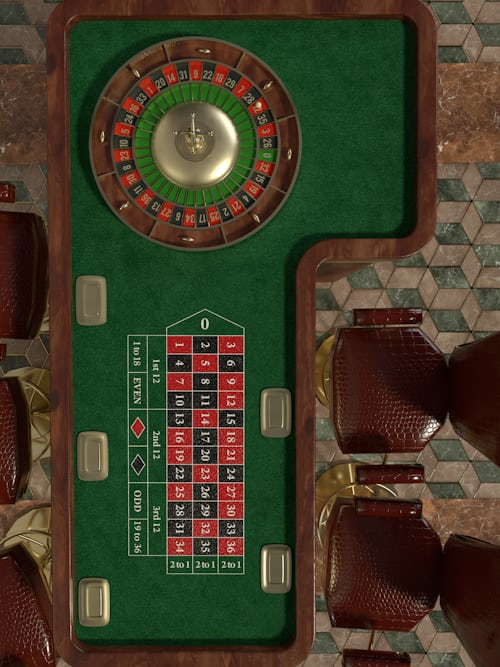
Additionally, the social dynamics within casinos significantly influence player behavior. The presence of fellow gamblers can create an atmosphere of competition, prompting individuals to gamble more than they initially planned. The phenomenon of social proof, where individuals look to others for cues on how to behave, can lead players to make riskier decisions based on the actions of those around them. If they observe others winning, they may feel compelled to participate, believing that they too will experience similar success.
Moreover, the time distortion that frequently occurs in casino environments can impact players’ perceptions of reality. Many individuals lose track of time while gambling, as the immersive nature of the experience can detach them from the outside world. This phenomenon often results in extended gambling sessions, leading to significant financial losses. Understanding the influence of environmental factors is crucial for those who wish to engage in responsible gambling practices, enabling them to maintain a balanced approach to gaming.
A Responsible Approach to Gambling: Tips and Resources
Striking a balance between enjoyment and responsibility is essential for anyone who chooses to gamble. By understanding the psychological factors that drive gambling behavior, players can make informed decisions. One key strategy is to set a budget before engaging in any gambling activities. Players should determine how much they are willing to spend, viewing it as entertainment rather than a means of making money. Adhering strictly to this limit can help mitigate the risks associated with gambling.
Moreover, being aware of the signs of problematic gambling is vital for maintaining a healthy relationship with the activity. Individuals should regularly reflect on their behavior and emotional responses related to gambling. If they find themselves chasing losses, feeling guilt after playing, or gambling beyond their means, it may be time to seek help. Various resources are available for those looking to address gambling issues, including support groups and counseling services that can provide guidance and assistance.
Ultimately, creating personal guidelines for gambling behavior can significantly contribute to fostering a positive gaming experience. Players can establish limits on the time they spend at the casino, choose specific games with more favorable odds, or utilize tools such as self-exclusion programs. These measures can help individuals maintain control over their gambling habits, ensuring that the experience remains enjoyable and does not spiral into problematic behavior.